Bioseniatic™ Adhesives
Designed for businesses seeking to reduce environmental impact without sacrificing performance, our biodegradable technology enables a seamless transition to truly compostable materials.
What It Is
We’re making Bioseniatic™ adhesives to use with the compostable packaging formats you worked hard to design. Formulated to mineralize to CO2 through microbial catabolic processes, Bioseniatic™ adhesives leave no trace in their receiving environment.
How It Works
Our adhesive solutions are designed to meet certified compostability standards by supporting complete biodegradation, physical disintegration, and environmental safety.
Backed by Measurable Science
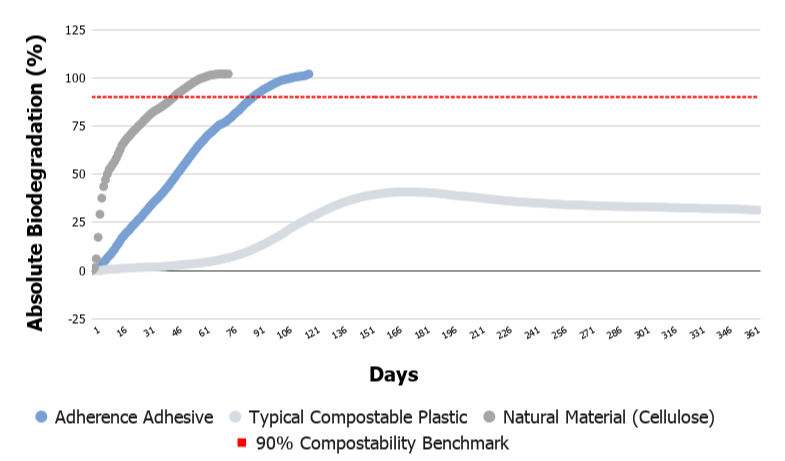
Breakdown Performance in Home Compost
Our adhesive breaks down as completely as natural materials, significantly outperforming conventional compostable plastics in home compost conditions.
Validated Biodegradation Performance
Matches natural material biodegradation
Exceeds compostability benchmarks
Outperforms typical compostable plastics
Key Takeaways
-
Absolute biodegradation measures how much of a material is converted into CO₂ during microbial activity. Relative biodegradation compares this performance against natural materials like cellulose to confirm true compostability.
-
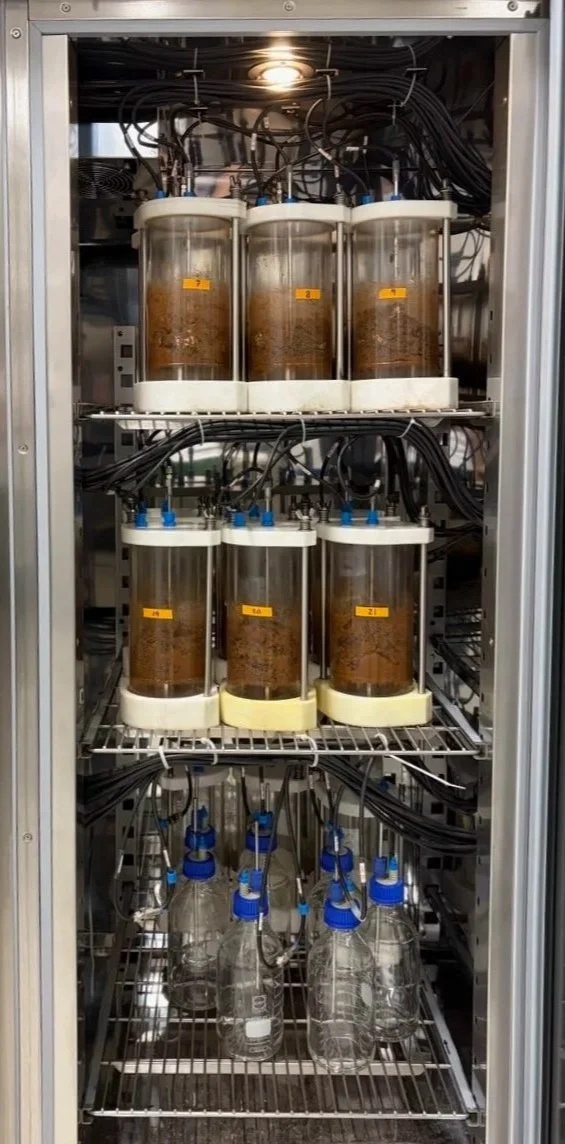
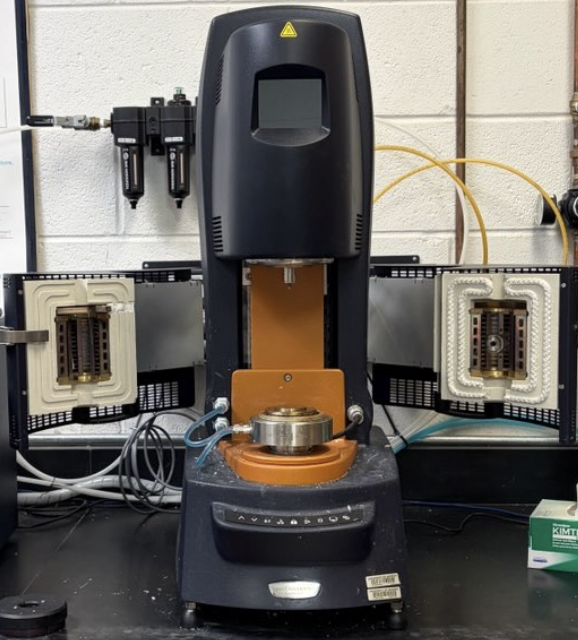
Compostability is evaluated through standardized testing that measures CO₂ evolution (respirometry), physical disintegration, plant growth safety, and heavy metal content to ensure environmental safety.
-
The structure of bonded materials significantly impacts biodegradation. Continuous adhesive layers can slow decomposition, while more permeable structures allow microorganisms, oxygen, and moisture to accelerate breakdown.
Biologically degradable by design.
Our adhesives are designed to break down naturally after use.
Instead of leaving behind plastic residue, they are consumed by microbes and converted into CO₂ and organic matter.
Why home compostable adhesives?
Most packaging today is used for days, but lasts for years.
Home compostable adhesives are designed to break down in real-world conditions, not just in specialized facilities.
Material Compatibility.
Works with the materials you already use
Our adhesives are compatible with a wide range of compostable packaging materials, including:
• PLA
• PHA
• Starch-based materials
• Other compostable blends
Designed to integrate seamlessly into existing manufacturing, without compromising performance or shelf life.
Bioseniatic™ Adhesive Benefits
Designed for compostable packaging performance, compliance, and long term material compatibility.